
You’ve probably been there. A loved one comes home from a night out, stumbles toward the couch, and passes out. You shake your head, maybe roll your eyes, and decide they’ll feel terrible in the morning. But what if they’re not just drunk? What if their life is actually in danger?
Knowing the difference between alcohol poisoning symptoms vs drunk behavior is a skill every family should have. The two can look surprisingly similar at first glance, but one means a hangover, and the other can mean death. According to the Centers for Disease Control and Prevention (CDC), an average of six Americans die every day from alcohol poisoning, and most of these deaths happen at home, often while family members assume the person is “just sleeping it off.”
At Discovery Transitions Outpatient, we’ve spoken with countless families whose lives were forever changed because they couldn’t tell alcohol poisoning symptoms vs drunk behavior apart in a critical moment. This comprehensive guide will give you the knowledge you need to recognize the warning signs, take action, and potentially save a life.
Understanding the Critical Difference: Alcohol Poisoning Symptoms vs Drunk Behavior
Being drunk and having alcohol poisoning exist on the same spectrum, they’re both caused by alcohol consumption, but they are dramatically different medical situations. Drunkenness is an altered state. Alcohol poisoning is a medical emergency.
When someone is drunk, their body is processing alcohol but still functioning. When someone has alcohol poisoning, their body is being overwhelmed by alcohol to the point that vital functions, breathing, heart rate, the gag reflex that prevents choking, begin to shut down. This is why understanding alcohol poisoning symptoms vs drunk behavior isn’t just helpful information. It’s life-saving information.
The reason families miss the signs of alcohol poisoning is because we’ve been culturally trained to view drinking-related distress as embarrassing rather than dangerous. We tell stories about friends who “couldn’t handle their liquor” and let people “sleep it off.” But sleeping it off is exactly what can kill someone with alcohol poisoning, because while they sleep, their blood alcohol level continues to rise as alcohol from the stomach is absorbed into the bloodstream.
According to the National Institute on Alcohol Abuse and Alcoholism (NIAAA), alcohol poisoning is a serious, and sometimes deadly, consequence of consuming large amounts of alcohol in a short period. Recognizing alcohol poisoning symptoms vs drunk signs is the foundation of being able to respond appropriately.

What It Looks Like When Someone Is Drunk (Normal Intoxication)
Before we can identify alcohol poisoning, we need to understand what typical intoxication looks like. Drunkenness occurs in stages, generally corresponding to a person’s blood alcohol concentration (BAC).
Mild Intoxication (BAC 0.03–0.06)
In the early stages of drinking, most people experience:
- Relaxation and lowered inhibitions
- Mild euphoria and increased sociability
- Slight impairment of judgment
- Slight flushing of the face
- A small decrease in coordination and reaction time
- Talkativeness or increased confidence
At this stage, a person can usually still walk, talk, and respond normally. They’re “buzzed” or pleasantly tipsy.
Moderate Intoxication (BAC 0.07–0.15)
As drinking continues, intoxication becomes more pronounced:
- Slurred speech
- Noticeable impairment of motor coordination
- Slower reaction times
- Impaired judgment and decision-making
- Mood swings or emotional intensification
- Difficulty with fine motor skills
- Possible nausea
- Glassy or bloodshot eyes
This is what most people picture when they think of someone being “drunk.” Their behavior is altered, but they’re still conscious, responsive, and breathing normally.
Severe Intoxication (BAC 0.16–0.30)
At this level, a person is significantly impaired and approaching the danger zone:
- Major loss of coordination (stumbling, falling)
- Slurred or incoherent speech
- Significant confusion
- Memory blackouts
- Vomiting
- Disorientation
- Loss of emotional control
- Sleepiness
This is where the line between alcohol poisoning symptoms vs drunk behavior begins to blur. Severe drunkenness can quickly progress to alcohol poisoning, especially if more alcohol is consumed or already in the stomach waiting to be absorbed. This is the critical zone where family members need to be paying close attention.

What Alcohol Poisoning Looks Like: Recognizing a Medical Emergency
Alcohol poisoning, also called acute alcohol intoxication or alcohol overdose, occurs when the amount of alcohol in the bloodstream becomes so high that vital body functions begin to fail. The body has reached a point where it can no longer compensate for the toxic effects of alcohol.
Understanding alcohol poisoning symptoms vs drunk signs comes down to recognizing the specific warning signs that distinguish a medical emergency from intoxication.
Physical Signs of Alcohol Poisoning
These are the most critical physical indicators that someone has crossed from drunk into life-threatening territory:
- Slow, irregular breathing (fewer than 8 breaths per minute, or gaps of 10+ seconds between breaths)
- Pale, bluish, or grayish skin tone, especially around the lips and fingernails
- Cold, clammy skin or significantly lowered body temperature (hypothermia)
- Vomiting while unconscious or semi-conscious
- Seizures or convulsions
- Inability to be awakened (cannot be roused even by shaking or shouting)
- Loss of gag reflex (cannot protect airway from vomit)
- Slow heart rate
Read more: How Long Does Alcohol Stay in Your System?
Behavioral and Cognitive Signs
In addition to physical symptoms, watch for these behavioral red flags that distinguish alcohol poisoning symptoms vs drunk behavior:
- Severe confusion or stupor
- Complete unresponsiveness to verbal stimuli
- Unresponsiveness to physical stimuli (pinching, shaking)
- Inability to stand or sit upright at all
- Complete disorientation about surroundings or identity
- Loss of consciousness with inability to be awakened
The key distinction between alcohol poisoning symptoms vs drunk signs is responsiveness. A drunk person, even a very drunk person, can usually be roused. They may be confused, slurred, or uncooperative, but they respond. A person with alcohol poisoning cannot be reliably awakened, and their body is showing signs of system failure.
Side-by-Side Comparison: Alcohol Poisoning Symptoms vs Drunk Behavior
To help families quickly assess the difference, here’s a side-by-side comparison of alcohol poisoning symptoms vs drunk behavior:
Drunk Behavior:
- Slurred speech but still talking
- Stumbling but able to move
- Vomiting but conscious
- Sleepy but can be awakened
- Normal breathing pattern
- Warm, normal-colored skin
- Confused but responsive
- Pupils respond to light
Alcohol Poisoning Symptoms:
- Unable to speak or only incoherent sounds
- Unable to move or stand
- Vomiting while unconscious
- Cannot be awakened
- Slow or irregular breathing (fewer than 8 breaths/minute)
- Pale, bluish, or cold skin
- Unresponsive to stimuli
- Pupils may not respond normally
When evaluating alcohol poisoning symptoms vs drunk behavior, remember the PUBS mnemonic from medical professionals:
- Puking while unconscious
- Unresponsive to stimulation
- Breathing is slow, shallow, or stopped
- Skin is cold, clammy, pale, or bluish
If you observe even ONE of these signs, call 911 immediately. Don’t wait for additional symptoms. Don’t try to “see how they do.” Don’t put them in the shower or feed them coffee. These are medical emergencies, not embarrassing situations.
How Blood Alcohol Concentration (BAC) Determines the Difference
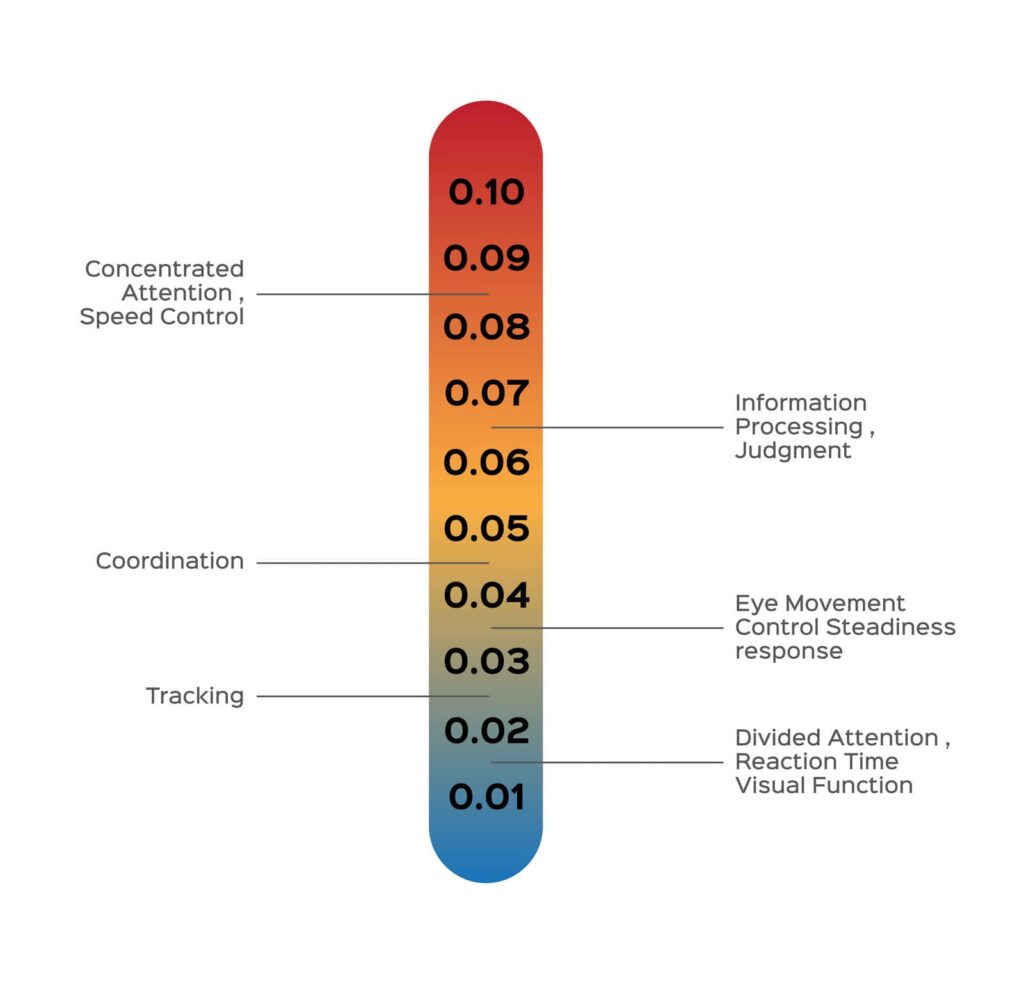
The science behind alcohol poisoning symptoms vs drunk behavior comes down to blood alcohol concentration. BAC is the percentage of alcohol in the bloodstream, and as it rises, the body’s ability to function decreases.
Here’s how BAC corresponds to physical and mental effects:
- 0.02–0.03 BAC: Mild euphoria, slight relaxation
- 0.04–0.06 BAC: Lowered inhibitions, mild impairment
- 0.07–0.09 BAC: Legally impaired (over the legal driving limit), noticeable coordination problems
- 0.10–0.15 BAC: Significant impairment, slurred speech, poor coordination
- 0.16–0.20 BAC: “Sloppy drunk,” nausea likely
- 0.25 BAC: Severe impairment, risk of choking on vomit
- 0.30 BAC: Stupor, possible loss of consciousness
- 0.35 BAC: Surgical anesthesia level, life-threatening
- 0.40 BAC and above: Coma, respiratory failure, death
Most alcohol poisoning deaths occur at a BAC of 0.35 or higher, but lower BACs can be fatal in people with smaller body mass, certain medications, or specific medical conditions. Understanding these thresholds helps families recognize when alcohol poisoning symptoms vs drunk behavior become a true medical emergency.
A critical and often overlooked fact: BAC continues to rise even after a person stops drinking, because alcohol already in the stomach takes time to absorb into the bloodstream. Someone who passes out at a BAC of 0.25 may continue to climb to 0.35 or 0.40 while “sleeping it off.” This is why monitoring is essential and why “just letting them sleep” can be deadly.

Who Is Most at Risk for Alcohol Poisoning?
While anyone can develop alcohol poisoning, certain people face significantly higher risk. Understanding these risk factors helps families remain vigilant about alcohol poisoning symptoms vs drunk behavior in vulnerable individuals.
People at increased risk include:
- Young adults and college students: Binge drinking culture often leads to dangerous consumption
- Adolescents: Lower body mass and inexperience with alcohol
- People with smaller body size: Less body water to dilute alcohol
- Women: Generally process alcohol less efficiently than men of similar weight
- People taking certain medications: Particularly opioids, benzodiazepines, sleep aids, and certain antibiotics
- Individuals with certain medical conditions: Diabetes, liver disease, kidney problems
- People who drink on an empty stomach: Faster, more dramatic absorption
- Those engaging in drinking games or shots: Rapid consumption overwhelms the body’s processing
- People with alcohol use disorder: Tolerance can mask warning signs
- Older adults: Slower metabolism and likely medication interactions
The Mayo Clinic notes that combining alcohol with other depressants like opioids or sleeping pills dramatically increases the risk of fatal alcohol poisoning, as these substances compound alcohol’s depressive effects on breathing and heart rate.
What to Do If You Suspect Alcohol Poisoning
When you’ve identified alcohol poisoning symptoms vs drunk behavior and determined this is an emergency, your actions in the next few minutes can save a life. Here’s the step-by-step protocol:
Step 1: Call 911 Immediately
Don’t hesitate, don’t second-guess, and don’t wait to “see if they get better.” Tell the operator:
- The person’s approximate age and weight
- How much alcohol they consumed (if known)
- When they started drinking
- Any other substances they may have taken
- Their current symptoms
- Whether they are breathing and responsive
Step 2: Stay With the Person
Never leave someone with suspected alcohol poisoning alone. Their condition can deteriorate rapidly. Stay with them until paramedics arrive.
Step 3: Keep Them Awake If Possible
If the person is conscious, try to keep them awake and sitting up. If they cannot stay awake or are unconscious, proceed to step 4.
Step 4: Position Them Safely
If the person is unconscious or semi-conscious, place them in the recovery position:
- Lay them on their side
- Bend their top knee for stability
- Tilt their head back slightly to keep the airway open
- Make sure their mouth is angled downward so any vomit can drain out
This position helps prevent choking on vomit, one of the most common causes of death in alcohol poisoning cases.
Step 5: Monitor Their Breathing
Watch the rise and fall of their chest. If they stop breathing or have fewer than 8 breaths per minute, tell the 911 operator immediately. Be prepared to perform CPR if needed and instructed.
Critical DON’Ts When Handling Suspected Alcohol Poisoning
When you’ve identified alcohol poisoning symptoms vs drunk behavior, avoid these dangerous mistakes:
- DON’T leave them alone “to sleep it off”
- DON’T put them in a cold shower (can cause hypothermia)
- DON’T give them coffee (caffeine can worsen dehydration)
- DON’T make them walk (can cause falls and injury)
- DON’T give them food
- DON’T induce vomiting
- DON’T lay them on their back (choking risk)
- DON’T assume they’ll be fine in the morning
Common Myths About Drinking and Alcohol Poisoning
Misinformation about alcohol poisoning symptoms vs drunk behavior contributes to preventable deaths every year. Let’s debunk the most dangerous myths.
Myth 1: “Coffee will sober them up.” Reality: Only time can metabolize alcohol from the bloodstream. The liver processes approximately one standard drink per hour, regardless of caffeine intake.
Myth 2: “A cold shower will help.” Reality: Cold water can shock the system and lower body temperature further, increasing the risk of hypothermia, which is already elevated in alcohol poisoning.
Myth 3: “They just need to sleep it off.” Reality: BAC continues to rise after the last drink as alcohol is absorbed from the stomach. Sleep doesn’t accelerate sobering, and unconscious people can choke on vomit.
Myth 4: “Throwing up will help.” Reality: Inducing vomiting in an impaired person dramatically increases choking risk. Most alcohol absorbed has already passed the stomach.
Myth 5: “If they can walk, they’re not in danger.” Reality: People with significant alcohol intoxication can sometimes walk briefly before collapsing. Walking ability isn’t a reliable indicator when distinguishing alcohol poisoning symptoms vs drunk behavior.
Myth 6: “Experienced drinkers can’t get alcohol poisoning.” Reality: Tolerance affects how a person feels alcohol’s effects, but not how alcohol affects their organs. Heavy drinkers may actually be at higher risk because they may not realize how impaired they are.
The Hidden Connection: When Heavy Drinking Becomes Alcohol Use Disorder
Understanding alcohol poisoning symptoms vs drunk patterns can also reveal something important about a person’s relationship with alcohol. Frequent episodes of severe intoxication, or even one alcohol poisoning event, may indicate an underlying alcohol use disorder (AUD).
Signs that drinking has crossed into the territory of an alcohol use disorder include:
- Drinking more or longer than intended on a regular basis
- Unsuccessful attempts to cut back
- Spending significant time obtaining, drinking, or recovering from alcohol
- Strong cravings for alcohol
- Continued drinking despite negative consequences
- Giving up important activities to drink
- Drinking in dangerous situations
- Developing tolerance (needing more to feel effects)
- Experiencing withdrawal symptoms when not drinking
- Multiple incidents of severe intoxication or alcohol poisoning
If you or a loved one has experienced an alcohol poisoning event, it’s a signal that drinking patterns need professional evaluation. The fact that someone reached such a dangerous level isn’t just bad luck, it often reflects deeper issues with alcohol that warrant compassionate, expert care.
How Discovery Transitions Outpatient Can Help
If recognizing alcohol poisoning symptoms vs drunk behavior has brought you here because you’re worried about yourself or a loved one, you’re not alone, and you’re not out of options. At Discovery Transitions Outpatient, we specialize in helping individuals and families navigate the often complicated path from problematic drinking to lasting recovery.
Our Southern California outpatient program offers:
- Individualized treatment plans: Every client receives a personalized plan developed within the first few days by our multidisciplinary team and updated weekly
- On-site psychiatric care: Medication management for co-occurring conditions like anxiety, depression, or sleep disorders
- Multiple evidence-based therapies: Including cognitive-behavioral therapy, motivational interviewing, and group counseling
- Holistic approach: Treating addiction as a three-fold illness affecting mind, body, and spirit
- Flexible scheduling: Outpatient care that allows clients to maintain work, school, and family responsibilities
- Family involvement: Education and support for the loved ones affected by addiction
- Long-term recovery support: Ongoing relationships with therapists to sustain sobriety
We believe that understanding alcohol poisoning symptoms vs drunk behavior is just the first step. The next step is addressing the underlying patterns that led to dangerous drinking in the first place, and that’s where our compassionate, expert team can help.
Frequently Asked Questions About Alcohol Poisoning Symptoms vs Drunk
1. How can I tell if someone is just drunk or has alcohol poisoning?
The clearest distinction when comparing alcohol poisoning symptoms vs drunk behavior comes down to responsiveness and vital functions. A drunk person, even one who is severely intoxicated, can typically be roused, they may be groggy, confused, or uncooperative, but they respond to stimulation. A person with alcohol poisoning cannot be reliably awakened, exhibits slow or irregular breathing (fewer than 8 breaths per minute), has cold or bluish skin, may vomit while unconscious, and may experience seizures. Remember the PUBS warning signs: Puking while unconscious, Unresponsive, Breathing problems, Skin discoloration. When in doubt, call 911, better safe than sorry.
2. Can someone die from alcohol poisoning while sleeping?
Yes, and this is one of the most tragic aspects of alcohol poisoning. Blood alcohol concentration continues to rise even after a person stops drinking, as alcohol already in the stomach gets absorbed into the bloodstream. Someone who passes out at a BAC of 0.25 may continue to climb to 0.35 or 0.40 while “sleeping.” During this time, breathing can slow or stop, the gag reflex can fail (leading to choking on vomit), and body temperature can drop dangerously low. Never assume an unresponsive intoxicated person will be fine in the morning, this assumption costs lives every year. Understanding alcohol poisoning symptoms vs drunk behavior is the first defense against this preventable tragedy.
3. How much alcohol does it take to cause alcohol poisoning?
The amount varies significantly based on individual factors including body weight, gender, food consumption, medications, tolerance, and overall health. Generally, alcohol poisoning becomes a serious risk when BAC reaches 0.25 or higher, with death possible at 0.35 to 0.40 and above. For an average 160-pound adult, this might mean approximately 8–10 standard drinks consumed rapidly. However, smaller individuals, women, those drinking on empty stomachs, or those mixing alcohol with medications can experience alcohol poisoning at much lower amounts. Binge drinking, defined as consuming 4+ drinks (women) or 5+ drinks (men) within about two hours, dramatically increases the risk regardless of body size.
4. Should I make someone throw up if I think they have alcohol poisoning?
No. Inducing vomiting in someone with suspected alcohol poisoning is dangerous for several reasons. Most of the alcohol has likely already been absorbed past the stomach, so vomiting won’t significantly lower BAC. More importantly, vomiting in an impaired person with a compromised gag reflex creates a high risk of aspiration, inhaling vomit into the lungs, which can cause choking, pneumonia, or death. Instead, place the person in the recovery position (on their side with their head tilted to keep the airway clear), call 911, and stay with them until help arrives. Knowing what NOT to do is just as important as recognizing alcohol poisoning symptoms vs drunk behavior.
5. Can experiencing alcohol poisoning once mean someone has an alcohol problem?
A single alcohol poisoning incident doesn’t automatically mean someone has alcohol use disorder, but it should never be dismissed as just a “bad night.” The drinking patterns that lead to alcohol poisoning, rapid consumption, ignoring warning signs, drinking past the point of impairment, often reflect underlying issues with alcohol that warrant professional evaluation. Even more concerning is when alcohol poisoning happens repeatedly, when it occurs alongside other substance use, or when the person continues drinking heavily after surviving such an episode. If you or someone you love has experienced alcohol poisoning, consider it a wake-up call. Speaking with addiction specialists like those at Discovery Transitions Outpatient can help determine whether treatment would be beneficial.
Don’t Wait Until It’s Too Late
Knowing the difference between alcohol poisoning symptoms vs drunk behavior is information every family should have. But knowledge alone isn’t enough, we have to be willing to act on that knowledge, even when it feels uncomfortable or dramatic. The decision to call 911 may feel like an overreaction in the moment, but it’s exactly the right call when someone’s life may be at risk.
At Discovery Transitions Outpatient, we work every day with families who’ve been touched by alcohol-related crises. Some come to us after a frightening alcohol poisoning incident woke them up to a loved one’s problem. Others come because the daily pattern of heavy drinking is destroying their family from within. Whatever path brought you here, we’re equipped to help.
Located in Van Nuys, California, our outpatient program offers the structure, expertise, and compassion needed to address alcohol use disorder while allowing individuals to continue meeting their everyday responsibilities. We believe in treating each client as a whole person, mind, body, and spirit, and developing individualized plans that maximize the likelihood of lasting recovery.
If you’re worried about a loved one’s drinking, or if you’ve recognized something in this guide about alcohol poisoning symptoms vs drunk behavior that hits close to home, please don’t wait for another scary night. Contact Discovery Transitions Outpatient today at (818) 824-5022 to speak confidentially with a member of our team.
Your loved one’s life, and your family’s peace of mind, are worth the call. Recovery is possible, and it can start today.